The Game of Their Lives
In the past several weeks, the world has been turning its attention to the FIFA World Cup. Billions of people from every continent are cheering for their national teams, celebrating incredible moments of athletic skill, and sharing in one of the few global events that truly captures the attention of nearly every culture and language. While the World Cup is a competition, it is also a reminder that sports have a unique ability to bring people together across political, cultural, and ideological divides.
One remarkable example of this comes from the documentary The Game of Their Lives.
The film tells the story of North Korea's (DPRK) national football team during the 1966 FIFA World Cup in England. At the time, North Korea was one of the world's most isolated countries, and very little was known about its people. Against all expectations, the North Korean team became the tournament's greatest underdog story. They stunned the world by defeating Italy—one of football's traditional powerhouses—to advance to the quarterfinals. Although they eventually lost an exciting match to Portugal after leading 3–0, their courage, determination, and sportsmanship earned the respect of fans around the world.
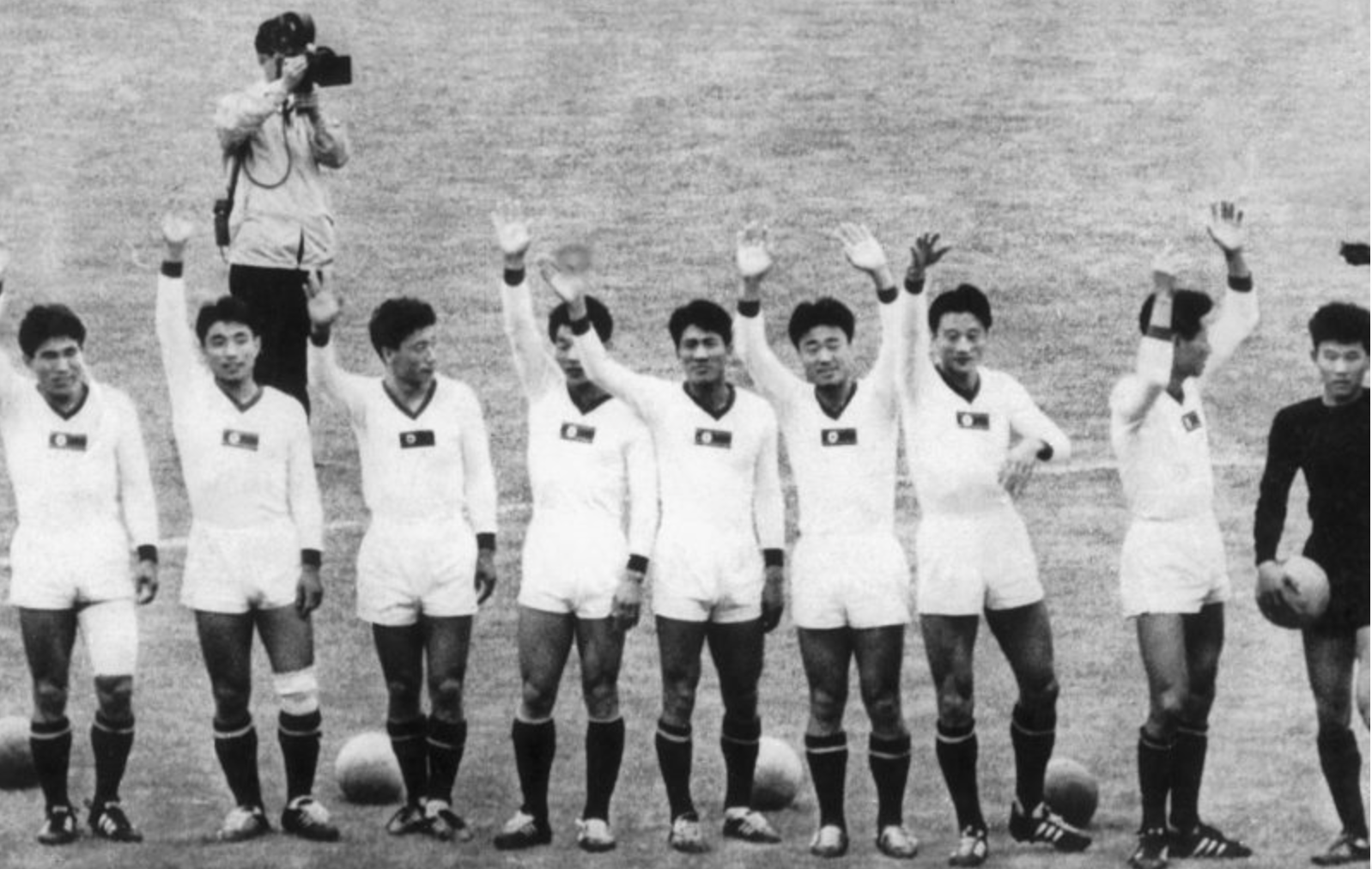
For decades, however, the players disappeared from public view. Rumors spread that they had been negatively received after returning home. These stories became widely repeated, but no one knew the truth.
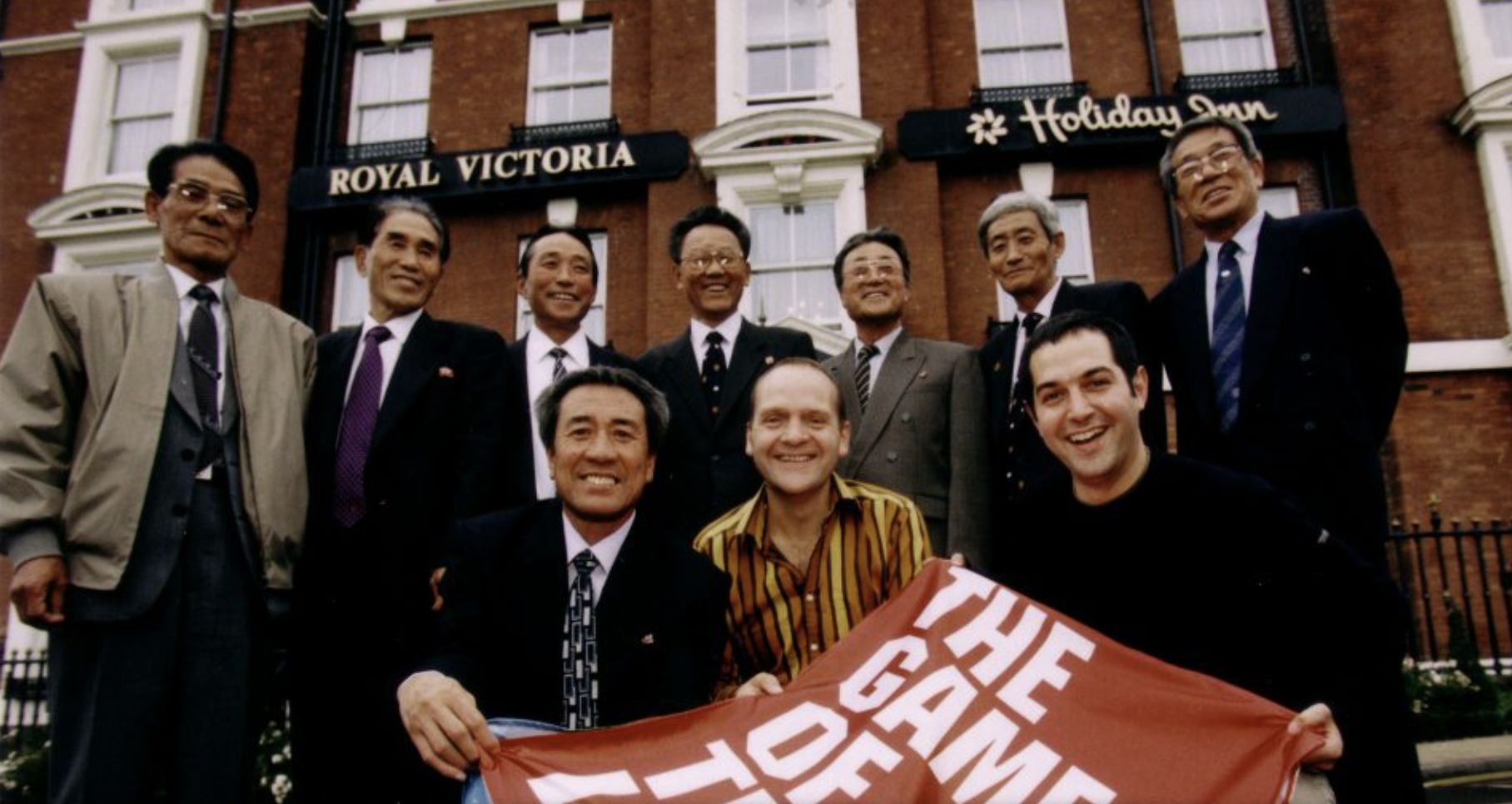
More than thirty years later, British filmmaker Daniel Gordon and producer Nicholas Bonner, founder of Koryo Tours, were given unprecedented permission by the North Korean government to interview the surviving players. This was the first time Western filmmakers had been allowed to tell their story directly through the voices of the athletes themselves.
Making the documentary was far from easy. The filmmakers initially struggled to gain permission, lost their funding, and ultimately relied on friends and family to finance the project before the BBC helped complete post-production. Their persistence resulted in a remarkable film that revealed not only the players' memories of the tournament but also their humanity, humor, and lifelong pride in representing their country.
Perhaps the most moving part of the story came after the documentary's release. The surviving players returned to England, where they were welcomed with tremendous warmth. They visited the Houses of Parliament, walked onto the pitch at Everton's stadium, and were honored by the town of Middlesbrough, whose fans had embraced the team back in 1966. The North Korean flag flew over the town hall as a gesture of respect. Former opponents, English supporters, and the North Korean players shared memories, laughter, and friendship despite decades of political tensions between their countries.
Their reunion demonstrated something profound: while governments may disagree and borders may divide nations, ordinary people can still find common ground through shared experiences.
As we enjoy watching this year’s FIFA World Cup, The Game of Their Lives reminds us that sports are about far more than winning championships. They create opportunities for mutual respect, empathy, and understanding. Every handshake before a match, every exchange of jerseys afterward, and every moment of celebration reminds us that our common humanity is greater than our differences.
Too often, we think that peace is something that only presidents, diplomats, or international organizations can create. Certainly, political leaders play an important role. But lasting peace is built person by person, conversation by conversation, friendship by friendship. Every one of us has a part to play.
The filmmakers who made this documentary were not politicians. They were ordinary people who believed that listening to another person's story mattered. The football fans in Middlesbrough who welcomed the North Korean team were not government officials. They simply chose hospitality over suspicion. The players themselves became ambassadors without intending to, demonstrating that respect and sportsmanship could transcend national boundaries.
Sports remind us that behind every flag is a person. Behind every national anthem is a family. Behind every uniform is someone with hopes, fears, dreams, and loved ones. When we begin to see people before politics, walls begin to come down.
This principle extends far beyond football. Whether we are welcoming an international student, hosting a visitor from another country, traveling abroad, or simply taking time to listen to someone whose background is different from our own, we have opportunities to build bridges. Peace does not begin only in conference rooms or treaty negotiations. It begins in homes, schools, neighborhoods, churches, workplaces, and communities where people choose kindness, curiosity, and respect instead of fear and misunderstanding.
The story of North Korea's 1966 team shows that even a single football match can leave a legacy that lasts generations. It reminds us that bridges between nations are often built not only by diplomats and political leaders, but also by athletes, fans, filmmakers, and ordinary people willing to meet one another with curiosity and respect.
As this year’s FIFA World Cup continues, may we celebrate not only the beautiful game, but also its remarkable ability to unite people from every corner of the world. And may we remember that each of us has the opportunity—and the responsibility—to be a peacemaker. We may never negotiate an international treaty or represent our country on the world stage, but through simple acts of friendship, hospitality, and understanding, we can help create a world where peace grows one relationship at a time.