A New Chapter of Hope: From North Korea to Japan
Not even in our wildest imaginations could we have dreamed of where we are today. Since 2007, our family had been living and working as humanitarian workers in the DPRK, also known as North Korea. For six years, we served in the Free Economic Zone of Rason—caring for preschool-aged children, providing medicine to rural clinics, and developing social enterprises that created sustainable livelihoods for local women and their families.
In 2012, in conjunction with the 100th anniversary of the nation’s founder, our family relocated to the capital city of Pyongyang. In collaboration with Pyongyang Medical School Hospital, IGNIS Community launched the country’s first treatment program for children with developmental disabilities, particularly those with cerebral palsy and autism (ASD).
Over the next five years, we not only treated patients and helped establish two postgraduate medical specialties, but also expanded humanitarian outreach across the nation. Through initiatives like shoe donations, lunchbox programs, and disaster relief, we were able to reach children far beyond the capital.
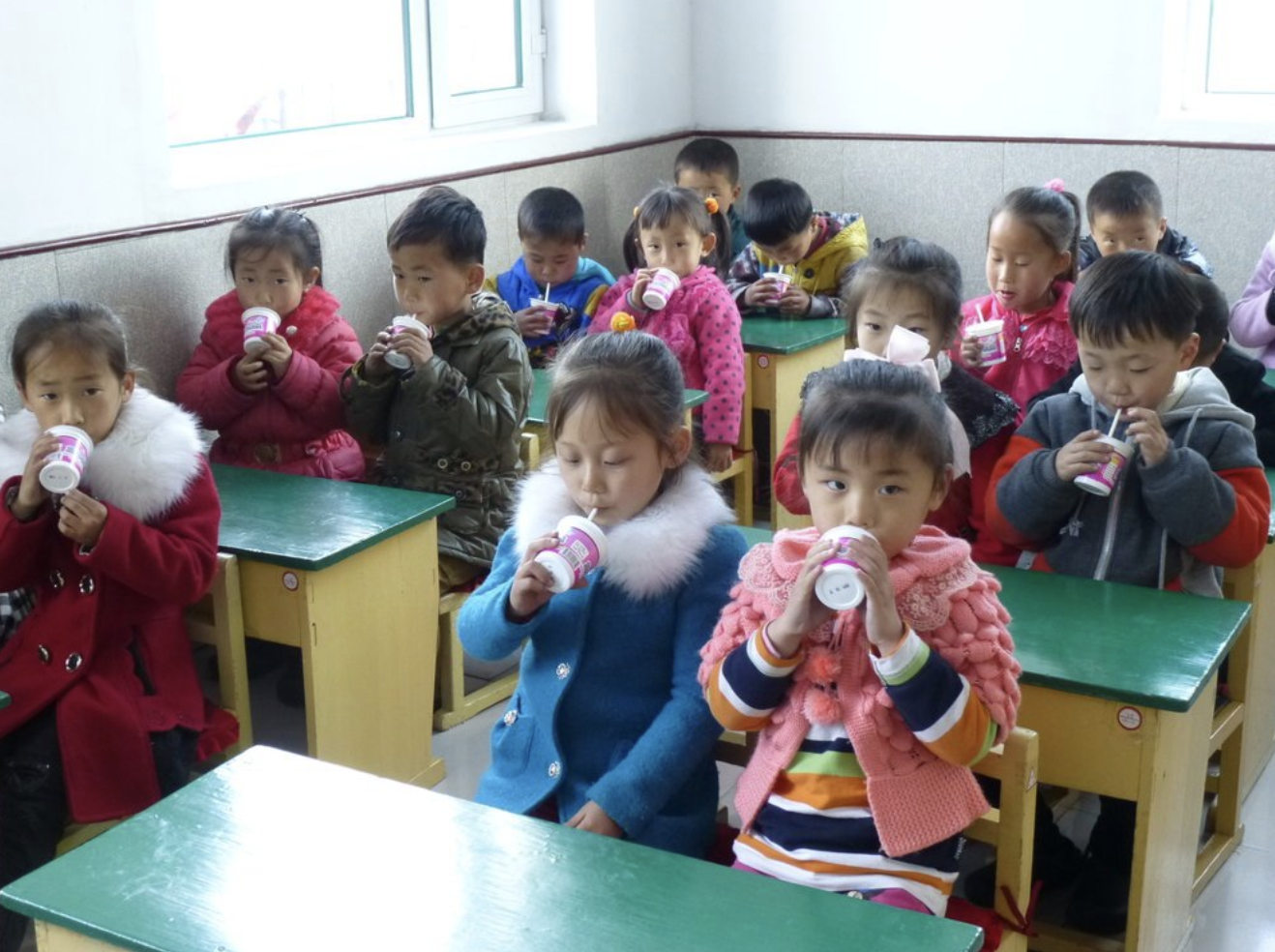
Lunchbox Program in the DPRK
However, amid shifting political tensions, everything changed. In September 2017, the United States issued a Geographic Travel Restriction (GTR) for all U.S. citizens. Our family was among roughly 200 Americans required to leave the country and apply for Special Validation Passports (SVPs) through the Department of State to return. Only a limited number of humanitarian workers were granted these passports, allowing us to continue our work in a much more restricted capacity.
Today, the GTR remains in place, and U.S. citizens have been unable to freely travel to the DPRK for nearly nine years. Increasing geopolitical tensions have not only hindered international cooperation but have also influenced how selectively the DPRK is reopening following COVID-19. The country is no longer the same as it was when we lived there years ago.
As a result, we have established a new base for our outreach in Osaka, Japan. If you had asked us even a few years ago whether we could imagine living in Japan, our answer would have been a firm “no.” Yet last month marked one full year here. It has been a year of steep learning curves, cultural adjustments, and language acquisition—but also one filled with unexpected blessings.
Japan, like many developed nations, is seeing a significant rise in developmental disabilities among children. In fact, the numbers have more than doubled over the past decade. In 2022, the Ministry of Education, Culture, Sports, Science and Technology reported that approximately 8.8% of junior high students in regular classrooms may have a developmental disability. Research from Hirosaki University indicates that about 3.2% of five-year-old children—roughly 1 in 30—are diagnosed with autism (ASD).
This increase has a profound impact on families, with approximately 44.4% experiencing depression as a result. While our country of residence has changed, our mission has not. We remain committed to caring for and supporting children with developmental disabilities and their families.
On April 11, 2026, a new nonprofit organization was born: Kindle Hope Japan. Educators, doctors, academics, and humanitarian workers gathered for its inaugural board meeting, united by a shared vision. Through this organization, Kindle Hope seeks to introduce neurodevelopmental approaches that empower parents to become the strongest advocates and supporters for their children.
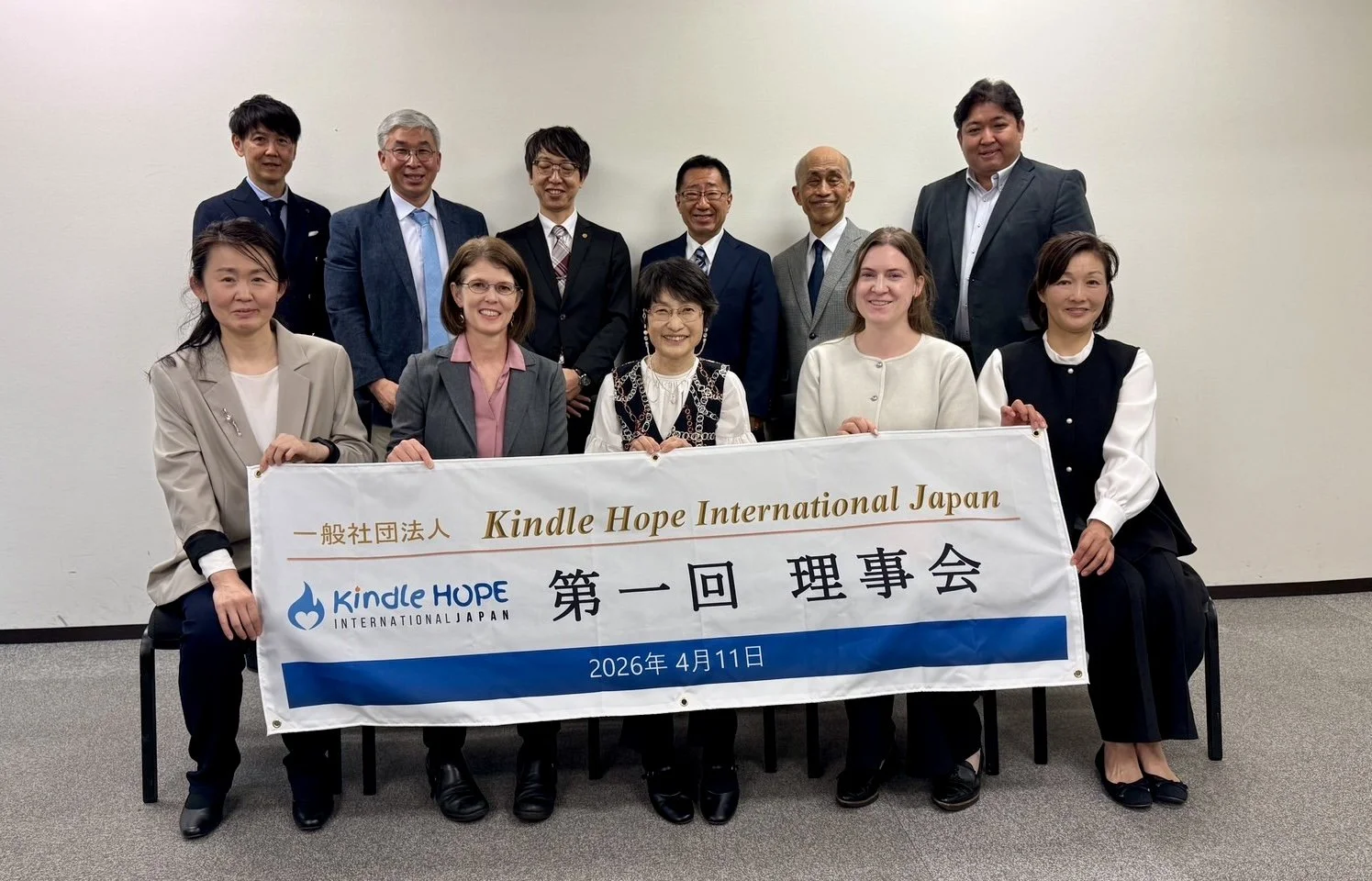
Kindle Hope’s First Board Meeting
The brain possesses remarkable resilience and the ability to restore lost function—a phenomenon known as neuroplasticity. This principle forms the foundation of the neurodevelopmental approach. Through targeted sensory stimulation, precise movement, and a nutritious, organic diet, the brain can form new neural connections and regain function.
One of Kindle Hope Japan’s primary initiatives is parent education. As primary caregivers, parents bear the greatest physical and psychological burden of caring for a child with special needs. Parents also play a critical role in their children’s development and, in many cases, can become their most effective therapists. They know their children best and spend the most time with them. When equipped with the right tools and training, parents can significantly enhance therapeutic outcomes—by as much as 60%.
Additional initiatives include building community-based family support groups, equipping schools and educators with effective strategies for teaching children with special needs, and promoting toxin-free nutrition programs. Research increasingly shows a strong connection between gut health and brain function; helping families adopt healthier diets can directly support development and reduce negative symptoms.
The road ahead is long and, at times, challenging. But as the Korean proverb says, “Starting is half the battle.” We have taken that first step.
In the coming year, Kindle Hope Japan has three primary goals. First, we aim to translate key materials from Korean into Japanese, including the parent manual Reconnecting the Brain: Awakening Joy. Next, we plan to translate and dub the YouTube series Discovering Joy. Finally, with these resources in place, we will begin hosting seminars for parents, educators, and caregivers—equipping them to better support children with developmental disabilities across Japan.