Beyond North and South: The Forgotten Koreans of Japan
When people think about Koreans living in Japan, the conversation is often shaped by confusion or oversimplification. Even Koreans, themselves, are often unfamiliar with the history of Koreans in Japan. Questions like “Why are Koreans in Japan?” or “Where are they really from?” reveal how little is widely understood about this community. Yet behind these questions lies a complex history shaped by colonialism, war, displacement, and resilience—a story that continues to shape identities across generations.
Koreans have been living in Japan for several generations. During the Japanese occupation of Korea, many Koreans were taken to Japan as forced laborers. By the time Korea gained independence in 1945, approximately 2 million Koreans were residing in Japan. Today, that number has decreased to less than 1 million.
Koreans in Japan endured war-related injuries, loss of life, and widespread discrimination. As a result, in the years following liberation, tens of thousands returned to Korea during the 1950s and 1960s.
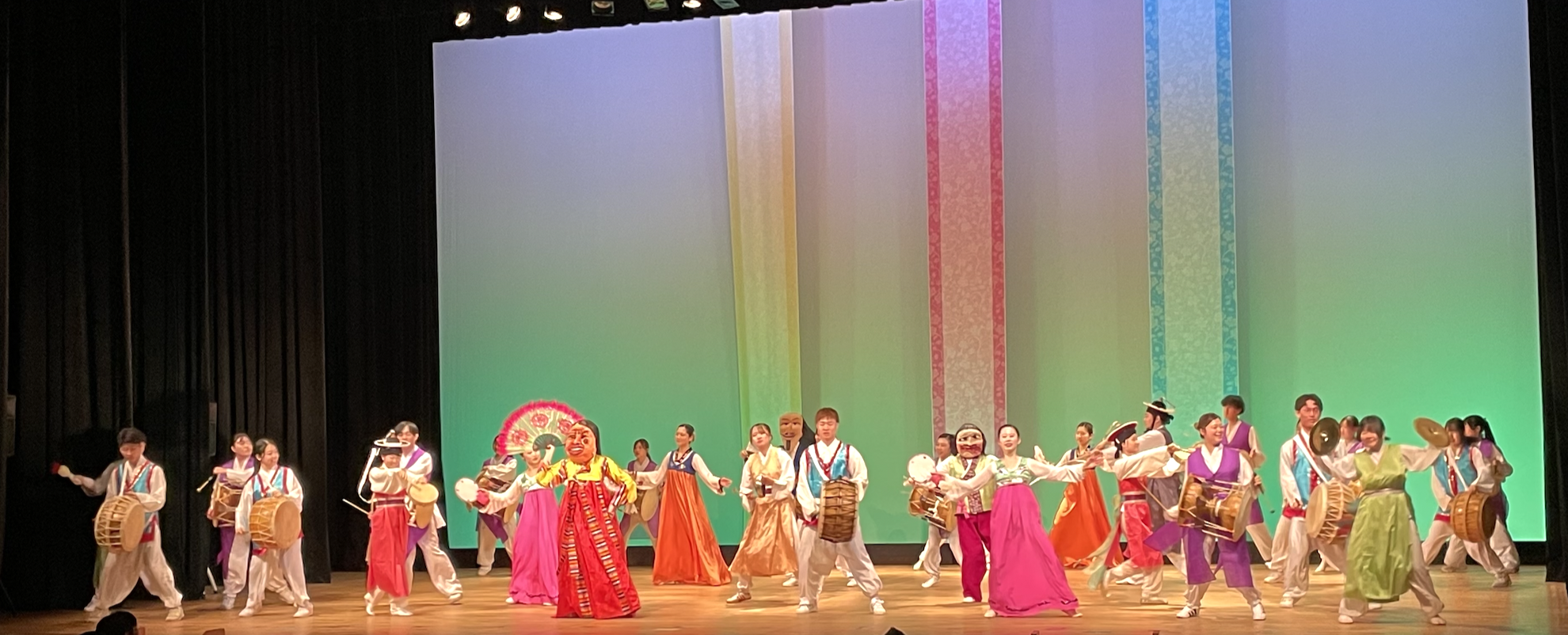
However, many Koreans who remained in Japan had lost much of their language and cultural heritage. To address this, hundreds of schools were established to re-educate Koreans in their native language, with the hope that they might one day return to their homeland. These efforts required significant funding and support. Consequently, Koreans in Japan sought assistance from both South and North Korea to build the infrastructure needed to preserve their identity and sustain their communities.
Unfortunately, the post–World War II geopolitical climate complicated this effort. As tensions on the Korean Peninsula escalated into the Korean War, both the United States and South Korea viewed Koreans in Japan with suspicion, fearing the spread of communism. Despite the fact that most Koreans in Japan originally came from the South, South Korea largely withheld support.
With limited options, many Koreans in Japan turned to North Korea. In contrast to the South, North Korea provided financial aid, helping to fund schools as well as healthcare and broader social infrastructure for the Korean community in Japan.
Due to intense discrimination within Japanese society, most Koreans in Japan did not obtain Japanese citizenship. Early on, many instead aligned with North Korea, in part because of the support it provided. Those affiliated with North Korea were also granted opportunities to travel there for education and professional development.
One major misconception, however, is that these Koreans originated from North Korea. In reality, most came from the southern regions of the Korean Peninsula. Because southern Korea is geographically closest to Japan, many Koreans in Japan trace their roots to South Gyeongsang Province. In Osaka in particular, a large number have origins in Jeju Island.
Today, the number of North Korean–affiliated residents in Japan is declining. Recent political and social changes have led more Koreans to obtain Japanese citizenship. Facing ongoing discrimination and limited institutional support—especially for Korean schools—many are choosing to assimilate into mainstream Japanese society. Currently, there are approximately 30,000 North Korean–affiliated residents among roughly 400,000 long-term Korean residents in Japan.
Despite this decline, Korean communities in Japan continue to operate Korean schools to preserve their language, culture, and ethnic identity. There are about 64 such schools today. These institutions have played a vital role in sustaining Korean heritage across generations. Many Koreans in Japan also maintain a sense of loyalty to North Korea, reflecting the historical support it provided.
This year marks the 80th anniversary of Korean community institutions in Japan. Korean schools, university clubs, and various support networks were first established in 1946, just one year after Korea’s liberation. Yet even decades later, the division of Korea continues to affect Koreans both on the peninsula and abroad.
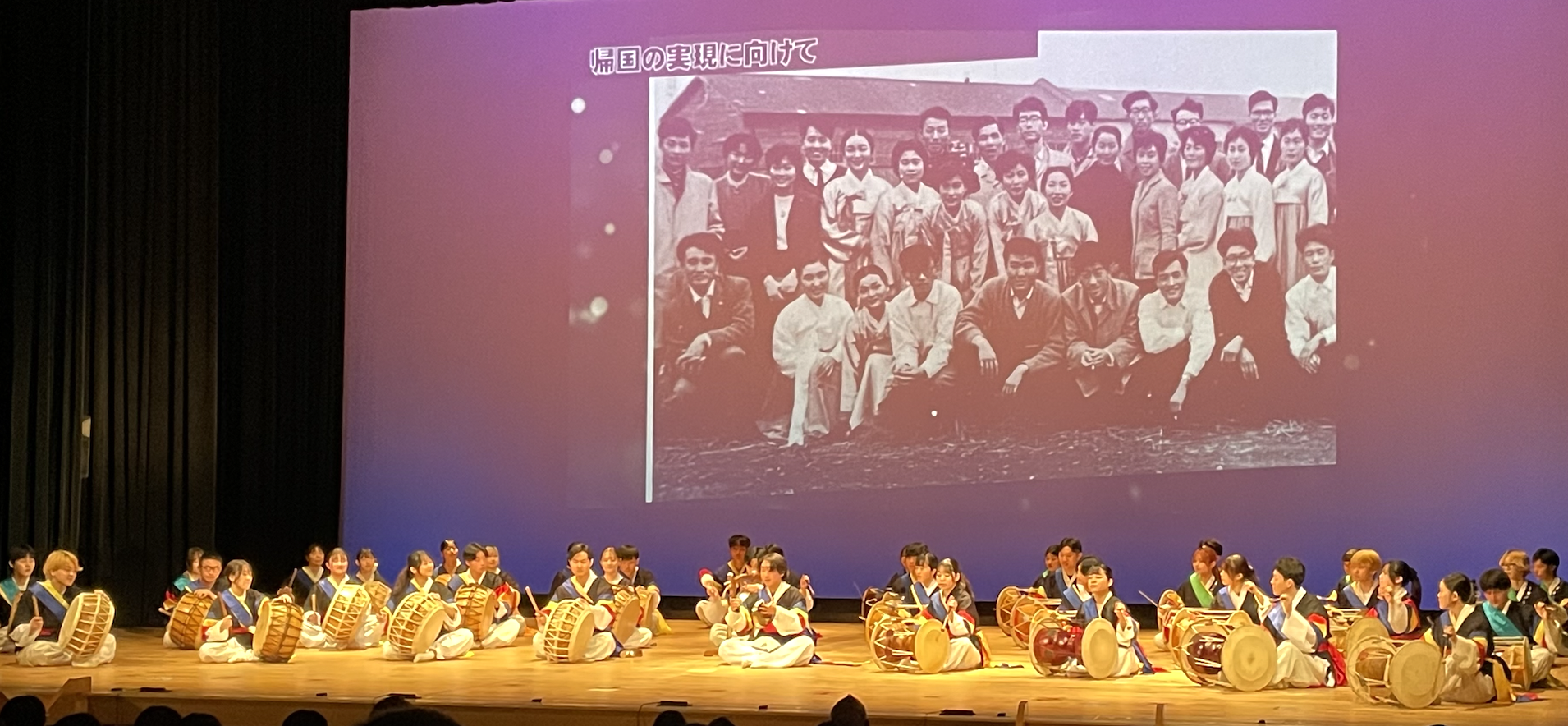
This division is also evident within the Korean community in Japan. Broadly speaking, there are four groups: those who retain South Korean citizenship; those who have naturalized as Japanese citizens; those affiliated with North Korea or who remain stateless; and those who have chosen not to align with either side, reflecting a desire to remain connected to a once-unified Korea.
Today, Korean residents in Japan span up to five generations. Their identity is often a hybrid one, shaped by both Korean heritage and Japanese society. While older generations tend to maintain a strong, distinct ethnic identity, younger generations increasingly form a blended identity—one that fosters a sense of belonging in both their cultural roots and their present home.
Ultimately, the story of Koreans in Japan is not just about migration—it is about identity shaped under pressure, community built in adversity, and the lasting consequences of a divided homeland. It challenges us to look beyond labels like “North” and “South” and instead recognize the lived realities of people whose histories do not fit neatly into political categories.
As new generations come of age, the question is no longer simply where they came from, but how they will define who they are—carrying forward a legacy of resilience while forging a place of belonging in a society that has not always made room for them.