Hope for a New Season of Engagement with the DPRK
For more than 70 years, the Korean Peninsula has lived under an armistice rather than a peace treaty. The fighting of the Korean War ended in 1953, but the war itself was never formally concluded. But recently, there are once again signs that dialogue between the U.S. and DPRK may be possible.
President Donald Trump has expressed interest in renewing communication with North Korean leader Kim Jong-un, while South Korean President Lee Jae Myung has advocated for reducing tensions and moving toward a more permanent peace framework on the Korean Peninsula. Recent BBC coverage highlights President Lee's desire to restore dialogue and peaceful coexistence between North and South Korea.
At the same time, President Trump has been reconsidering the role of U.S.–South Korean military exercises as he seeks to reopen communication with Pyongyang. CNN reports that changes to these exercises are taking place amid renewed discussion about Trump's desire to engage North Korea.
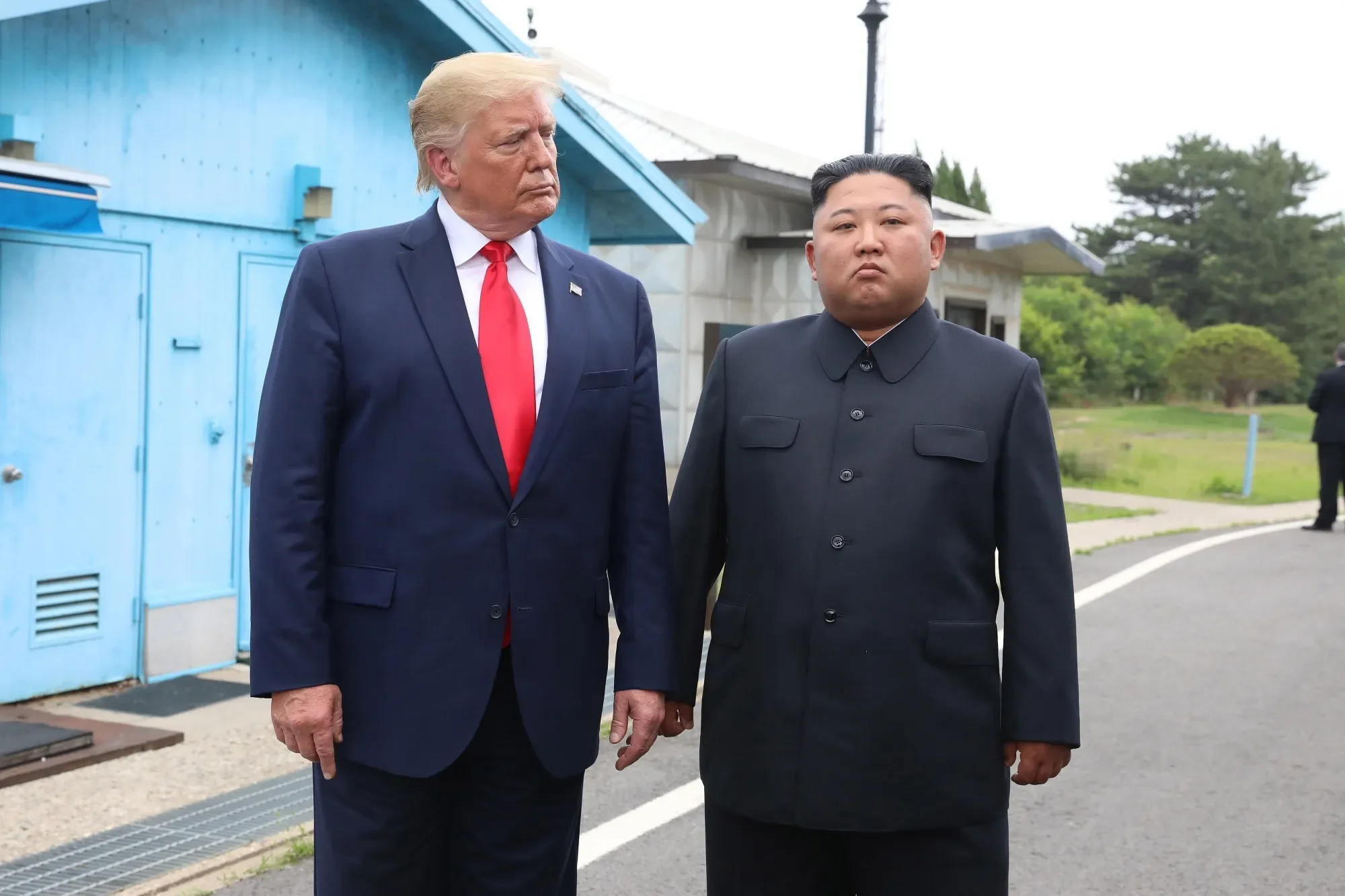
Trump Proposes Talks with the DPRK
For Ignis Community, however, the greatest hope is not simply another summit or political agreement. Our hope is that improved international relations will open the door for sustained engagement—and new opportunities to serve the people of the DPRK.
After many years of working inside North Korea, we have come to believe that meaningful change cannot happen through isolation alone. Peace is ultimately built through relationships.
When doctors work alongside doctors, relationships form. When international workers return to the same communities year after year, trust grows. When people from countries that have historically considered one another enemies work together to care for children, treat patients, solve problems, and strengthen communities, they begin to see one another differently.
This kind of human-to-human engagement rarely makes international headlines, but we believe it is an essential part of creating lasting peace.
We have seen firsthand how relationships develop through something as simple as working together. A medical professional who initially interacts cautiously with a foreign colleague can gradually become a trusted partner. Conversations that begin around a project eventually expand to families, children, hopes, struggles, and everyday life. People who might otherwise know one another only through political rhetoric begin to know each other as human beings.
For us, these relationships create opportunities to serve in meaningful and practical ways—caring for children with disabilities, strengthening hospitals and medical services, providing humanitarian assistance, sharing knowledge and resources, and simply walking alongside people over time.
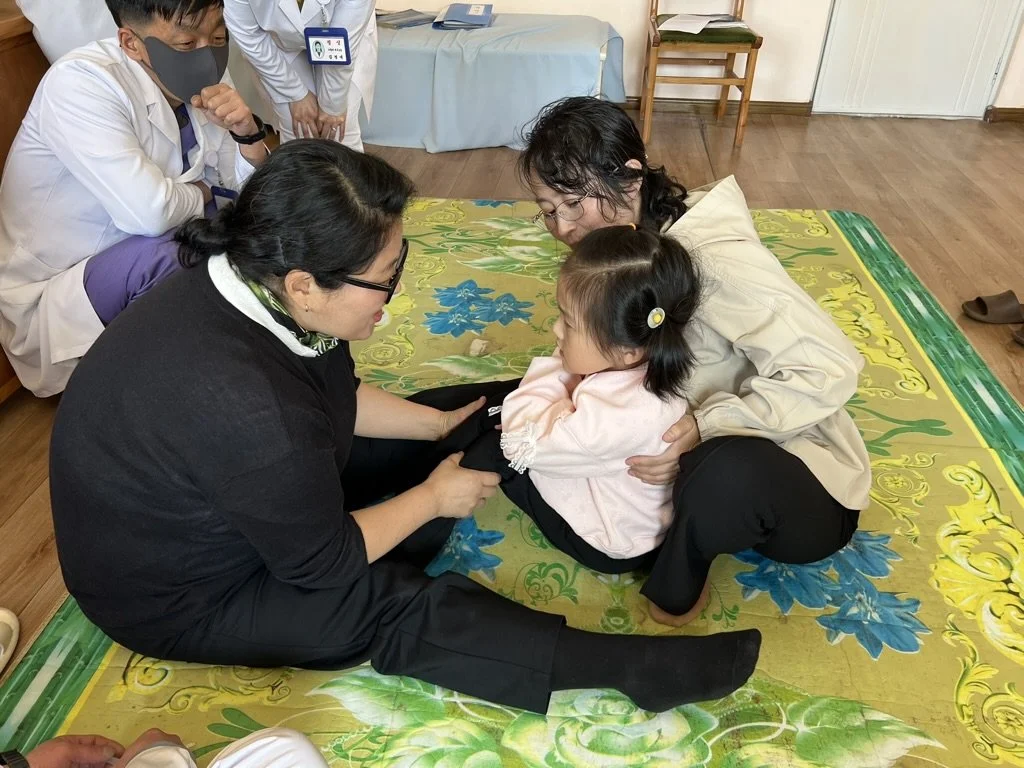
Ignis Community Treating Pediatric Patients with Developmental Disabilities
Unfortunately, when political relationships deteriorate, these human connections are often among the first things to disappear.
International organizations lose access. Medical partnerships stop. Development projects are suspended. International workers can no longer maintain relationships with their North Korean counterparts. Opportunities for training, humanitarian assistance, and professional exchange disappear. And with those losses, opportunities for meaningful outreach disappear as well.
The COVID-19 pandemic dramatically accelerated this isolation. North Korea closed its borders, and much of the international humanitarian and development community that had spent decades building relationships inside the country was forced to leave. Even as portions of the country have gradually reopened, geopolitical tensions continue to make broader international engagement extremely difficult.
This is why recent political developments matter to us. CNN's reporting on President Trump's approach toward North Korea describes efforts to create space for renewed diplomacy. Whether these developments ultimately lead to another summit remains to be seen.
But for us, the more important question is: Will improved relations allow people to engage with one another again?
There is a tendency to think that humanitarian and development work can resume only after political problems have been solved. But after years of working in the DPRK, we have come to see this differently.
International engagement should not simply be viewed as the result of peace. Engagement itself can become part of the pathway toward peace. Every hospital partnership, training program and development initiative creates relationships that otherwise might never exist.
These relationships matter because they remind us that people are more than the governments, politics, and conflicts that divide nations. Behind every headline are individuals and families with many of the same hopes and concerns that families have everywhere—the health of their children, the well-being of their communities, and the hope for a more secure future.
Our desire has never been simply to enter the DPRK or North Korea, complete a project, and leave. We want to build relationships that last. That requires consistent access, sustainable programs, trusted local partnerships, and the ability to return year after year.
This is also why formally addressing the unresolved Korean War remains important. A peace treaty would not magically solve every problem on the Korean Peninsula. It would not immediately eliminate nuclear weapons, sanctions, military tensions, or more than seven decades of mistrust. But moving beyond the armistice could provide a fundamentally different foundation for international relations and create greater space for diplomatic normalization, humanitarian access, development cooperation, and sustained international engagement.
We do not know where the current diplomatic developments will lead. There may be another summit. There may eventually be negotiations toward a peace agreement. Or circumstances may change once again. But we remain hopeful.
We hope improved relations will reopen doors for humanitarian workers, medical professionals, educators, and development organizations. We hope for more opportunities to serve children with disabilities and their families. We hope for hospitals where international and North Korean medical professionals can work side by side. And we hope for communities where long-term partnerships can grow through service, compassion, mutual respect, and friendship.
Perhaps peace on the Korean Peninsula will not come through one dramatic breakthrough. Perhaps it will also be built quietly—through doctors caring for patients, humanitarian workers serving communities, people sharing meals, friendships developing across cultural boundaries, and individuals learning to see one another as human beings rather than enemies.
One relationship, one partnership, one community, and one person at a time.
We hope you will continue to stand with us as we look toward a new season of engagement with the DPRK—a season of improved international relations, sustainable access, meaningful outreach, and doors opening once again for people to connect, serve, and build relationships across boundaries.